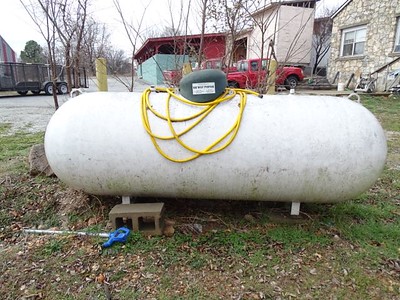
For 2026, a 250-gallon propane tank (commonly an ASME above-ground residential tank) typically costs vary depending on whether you are only buying the tank or having a full installation done.
A new tank alone usually ranges from about $600 to $1,000, although some suppliers price higher depending on the brand and steel grade, with common retail prices reaching around $800 to $1,200. When factoring in full installation—which includes the tank, delivery, hookup, and basic setup—the cost for an above-ground installation is typically between $800 and $1,800, while broader real-world project totals can range from $1,550 to $3,050 depending on site conditions and permit requirements.
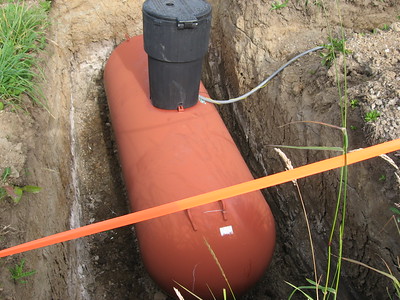
If an underground installation is chosen, the cost is significantly higher, generally around $2,200 to $3,800 or more. Overall, most homeowners can expect an all-in total cost of roughly $1,800 to $3,500 when buying and installing a 250-gallon propane tank in 2026.


Installing a propane tank can be a big job, so it’s important to factor in the cost of installation when budgeting for your new tank. The cost of installation will vary depending on the size and dimension of the tank and the complexity of the job. In general, you
For the most accurate pricing, it’s recommended to get multiple quotes from local propane suppliers, as prices can vary based on regional factors and supplier policies.
Average Cost Breakdown for a 250-Gallon Propane Tank
Understanding the cost breakdown helps you make a more accurate decision when planning for a 250-gallon propane tank, whether for residential heating, cooking, or backup power use.
Purchase Price Range
Details: This is the upfront cost if you choose to own the tank instead of leasing.


Updated 2026 Cost: The typical price for a new 250-gallon ASME tank now ranges from $600 to $1,200, depending on brand, steel thickness, coating quality, and supplier markup. In some retail or premium listings, prices can still reach up to around $1,300+, especially in high-demand areas.
Installation Fees
Details: This covers delivery, positioning, regulator setup, piping connection, and basic system hookup.
Updated 2026 Cost: Installation alone (labor and setup) typically ranges from $300 to $1,000, depending on site difficulty, distance from supply line, and permit requirements. For full installed systems (tank + setup combined), most homeowners spend around $1,800 to $3,500 total.
Rental / Lease Fees
Details: Instead of buying, many propane suppliers offer leasing programs where the tank remains company-owned.
Updated 2026 Cost: Rental fees are often lower than expected and may range from:

- $0 to $120 per year (some suppliers waive fees if you buy propane from them)
- or roughly $5 to $15 per month in certain agreements
Maintenance and Refill Costs
Details: Includes periodic inspections, valve checks, and propane refills.
Updated 2026 Maintenance Cost: Routine maintenance is usually low, averaging $50 to $150 per year if required, since propane tanks are built for long-term use and don’t require frequent servicing.
Updated Propane Refill Cost: Propane prices fluctuate by region, but in 2026 the average is about $2.50 to $4.00 per gallon.
For a 250-gallon tank (typically filled to 80% capacity), a full refill usually costs around $500 to $900+, depending on local rates.
Factors that Affect the Cost of a 250-Gallon Propane Tank When You Buy
There are a few factors that affect the cost of a 250 gallon propane tank when you buy. The size and material of the tank, the brand, and where you purchase it from are some of the most common factors.


Material of the tank
The material of the tank is one of the factors that can affect the price of a 250 gallon propane tank. Steel tanks are the most common and most affordable type of propane tank. They are durable, rust-resistant and suitable for outdoor use. They are also widely available and can be found at most propane suppliers.
Brand and manufacturer
The price of a propane tank can be affected by the brand and manufacturer of the tank. Some brands and manufacturers are known for their quality products and their tanks may cost more than others. However, there are also some brands and manufacturers who offer cheaper tanks but their quality may not be as good. It is important to do your research before purchasing a propane tank so that you know what you are getting for your money.
Location and delivery cost
The price of a propane tank can vary depending on the location and delivery cost. In some cases, the price of the propane tank can be affected by the availability of the propane. For example, if there is a propane shortage in the area, the price of the propane tank may increase. The delivery cost can also affect the price of the propane tank. If the delivery company charges a higher delivery fee, the price of the propane tank will be higher.
Installation and maintenance cost
We all know that the installation and maintenance cost of a propane tank is not cheap. In addition, we also have to constantly monitor the level of propane in the tank to make sure that we do not run out of it. This can be a daunting task for some people, but it is essential to keep your home to have a supply of propane.
Here are some tips to help you save money on the installation and maintenance cost of propane tank:
- Do your research: There are many companies that offer propane tank installation and maintenance services. It is important to do your research and find a company that is reputable and has a good track record.
- Get multiple quotes: Once you have narrowed down your list of potential companies, get multiple quotes from each one. This will allow you to compare prices and see which company offers the best value for your money.
- Take advantage of discounts: Many companies offer discounts for customers who sign up for their service contract early. If you know you will need propane tank installation and maintenance services for the entire winter, sign up for a contract as soon as possible to take advantage of these savings.
- Negotiate: Don’t be afraid to negotiate with the company you choose. If you feel like you are being charged too much, ask if they are willing to give you a discount. Many times, they will be happy to work with you to ensure you are getting the best value
Pros and Cons of Brand New and Used Tanks
It is important to weigh all of the pros and cons before making a decision on whether or not to purchase a used 250 gallon propane tank.
Pros of a Brand New Tank
- Guaranteed quality: A new tank is guaranteed to be free of defects and to meet industry standards.
- Longer lifespan: A new tank will typically have a longer lifespan than a used one.
- Warranty: New tanks often come with a warranty that covers repairs or replacement in the event of defects or other issues.
- Better safety features: New tanks often come with updated safety features to reduce the risk of accidents or leaks.
- Energy efficiency: Newer tanks are often more energy efficient, which can help to reduce costs over time.
Cons of a Brand New Tank
- Higher cost: Brand new tanks are typically more expensive than used ones.
- Lead time: New tanks may have a lead time for delivery and installation.
- Limited options: New tanks may be limited to certain brands and manufacturers, which may not be the best choice for everyone.
Pros of Used Tank
- Lower cost: Used tanks are typically less expensive than new ones, providing cost savings for the consumer.
- Availability: Used tanks may be more readily available and can be found faster than new tanks, especially in rural or remote areas
- No lead time: Used tanks are usually readily available and can be delivered and installed more quickly.
- Can be refurbished: Some used tanks can be refurbished, which can help to extend their lifespan and improve safety.
Cons of a Used Tank
- It can be less expensive than buying smaller tanks of propane.
- One is that you may not be able to get as good of a warranty with a used tank. Another is that the tank could have hidden damage that you are not aware of.
- A disadvantage of buying a used tank is that you don’t know how it has been maintained or what kind of condition it is really in.
- Used tanks may not be as reliable as new ones, and they may not come with a warranty. Additionally, you will need to have someone inspect the tank before use to ensure it is safe.
Tips for Reducing Costs
Looking to get a 250-gallon propane tank without breaking the bank? Here are some straightforward ways to save money:
Buy in the Off-Peak Seasons
- Why? Prices often go up when demand is high, especially during cold seasons.
- Tip: Try buying during the warmer months, like spring or summer. You might get a better deal.
Look for Bulk Discounts
- Why? Many suppliers offer discounts if you buy in large quantities.
- Tip: If you’re part of a business or know others who need propane tanks, consider buying together to save more.
Consider Used or Refurbished Tanks
- Why? A gently used or refurbished tank can be just as good as a new one but at a fraction of the price.
- Tip: Always make sure the tank is safe and meets all standards before buying.
Get Multiple Quotes
- Why? Different suppliers and installers might offer you different prices.
- Tip: Don’t settle quickly. Get quotes from several places and see who offers the best deal for the same quality.
Remember, with a bit of research and patience, you can find a great deal on a propane tank. Always prioritize safety, but know that there are savings out there waiting for you.
Would Rent or Buy Your Own Tank
| Criteria | Buying a 250-Gallon Propane Tank | Renting/Leasing a 250-Gallon Propane Tank |
|---|---|---|
| Initial Cost | High upfront investment | Low or minimal upfront cost |
| Ownership | Full ownership; no monthly fees | No ownership; recurring rental fees |
| Supplier Choice | Freedom to choose any supplier | Often tied to the rental company’s propane |
| Long-Term Savings | Potential savings over the years | Costs might add up with continuous rental |
| Maintenance | Owner’s responsibility | Typically covered by the rental company |
| Flexibility | Less flexible; resale might be needed | Easier to upgrade, downgrade, or terminate |
| Customization | Can choose features and add-ons | Limited to what rental company offers |
| Resale Value | Can potentially add to property value | No resale value or equity |
| Depreciation | Can depreciate over time | Not a concern for the renter |
| Total Long-Term Cost | Might be lower if used for several years | Might be higher due to continuous fees |
Does a 250 Gallon Propane Tank Suitable for Your Need
Determining if a 250-gallon propane tank is suitable for your needs depends on several factors, including your household’s propane usage, the number of appliances that use propane, and the climate where you live. Here are some considerations to help you decide:
Usage Estimation
- Household Size and Appliances:
- Heating: If you use propane for heating, a 250-gallon tank might suffice for a small to medium-sized home. However, if you live in a colder climate and use propane as your primary heating source, you may need a larger tank.
- Appliances: Consider the number and types of appliances using propane. Common propane-powered appliances include water heaters, stoves, clothes dryers, fireplaces, and outdoor grills. Each of these appliances will contribute to your overall propane consumption.
- Annual Propane Consumption:
- A typical household using propane for heating and several appliances might consume between 500 to 1,200 gallons per year. A 250-gallon tank, which can only be filled to 80% capacity for safety reasons (holding about 200 gallons), may need frequent refills if your consumption is on the higher end.
Frequency of Refills
- Delivery and Refill Schedule: If you have a reliable propane delivery service, more frequent refills might not be an issue. However, if deliveries are less frequent or you prefer fewer interruptions, a larger tank may be more convenient.
Cost Considerations
- Initial and Installation Costs: A 250-gallon tank is less expensive to purchase and install compared to larger tanks, making it a budget-friendly option initially.
Climate Impact
- Cold Weather: In colder climates, where heating demands are higher, a larger tank might be more appropriate to ensure an adequate supply during peak usage periods.
Pros and Cons of a 250-Gallon Tank
Pros:
- Lower initial and installation costs.
- Suitable for moderate propane usage.
- Easier to fit in smaller spaces compared to larger tanks.
Cons:
- Requires more frequent refills if your propane usage is high.
- May not be sufficient for larger homes or extremely cold climates.
To Make a Conclusion
As a responsible homeowner, it’s important to know how much your 250 gallon propane tank costs. This way, you can budget for future fill-ups and avoid any nasty surprises.
There are a few factors that will affect the cost of your propane, including the current market price and the size of your tank. Generally speaking, you can expect to pay between $800 and $1,300 for a full tank of propane.
Of course, the best way to get an accurate estimate is to contact your local propane supplier. They will be able to give you a more personalized quote based on your specific needs.
In summary, it’s important to know how much your 250 gallon propane tank costs so that you can budget accordingly. By doing your research and contacting your local supplier, you can ensure that you’re always prepared for those cold winter nights!

Mike is an experienced propane technician with over 15 years of professional experience in the field. He has dedicated his career to helping customers with their propane needs, from installation to maintenance and repair. Together with Jeremy, he co-founded this website to provide useful information and guidance to customers seeking reliable propane services.