Why Is My RV Propane Regulator Leaking?

Why Is My RV Propane Regulator Leaking?
Quick answer: If your RV propane regulator is leaking, the gas may be escaping from the regulator vent, the regulator body, an inlet or outlet fitting, a pigtail hose, or the cylinder connection beside the regulator. Continuous hissing, propane odor, bubbling during a leak test, or gas coming from the regulator vent is not something I would ignore. Shut off the propane supply if it is safe to do so, keep ignition sources away, leave the area if you smell gas, and have the system inspected by a qualified RV or propane technician.

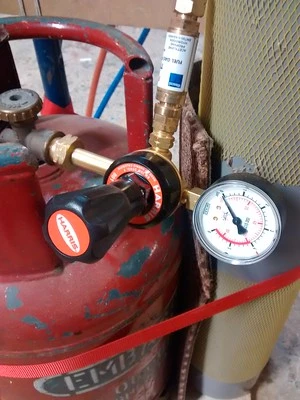
When someone tells me, “My RV propane regulator is leaking,” the first thing I point out is that the regulator is only one part of a tightly packed assembly. On a travel trailer or fifth wheel, two cylinders, two pigtails, an automatic changeover regulator, an outlet hose, and several threaded connections may all sit within a few inches of each other. A leak that sounds like it is coming from the regulator can actually be coming from a hose fitting beside it.

At the same time, a regulator itself can leak. Internal diaphragm damage, seat contamination, corrosion, overpressure, vent blockage, age, or physical damage can allow propane to escape or cause the relief mechanism to vent. Because propane is flammable and heavier than air, I treat any suspected RV propane leak as a safety issue rather than as a nuisance.

RV Propane Regulator Leak: Technical Details

Item Typical RV Detail Why It Matters
Regulator type Two-stage, often automatic changeover on dual-cylinder trailers Reduces cylinder pressure to appliance pressure
Typical outlet pressure About 11 inches water column Normal RV appliance supply pressure
First-stage intermediate pressure Often roughly 10–13 psig Shows how much pressure reduction occurs before the second stage
Vent position Normally facing downward and unobstructed Helps prevent water, dirt, insects, and ice from blocking the vent
Leak warning signs Propane odor, hissing, detector alarm, bubbles at a fitting Require prompt investigation

If you want more background on the regulator itself, see my guide on what type of propane regulator an RV needs. Most conventional RV appliance systems use a two-stage regulator delivering around 11 inches w.c.

Where Can an RV Propane Regulator Leak?

I divide suspected leaks into five areas: the regulator vent, the regulator body, the inlet connections, the outlet connection, and the hoses or cylinder fittings around the regulator. That distinction matters because the repair is different for each location.

Leak Location What You May Notice Common Explanation
Regulator vent Gas odor or hissing at vent opening Diaphragm/seat problem, internal overpressure, relief action
Regulator body seam Bubbles around housing or seam Damaged body, gasket, corrosion, or impact
Pigtail-to-regulator inlet Bubbles or odor near brass fitting Loose/damaged fitting or hose end
Cylinder connection Odor or hissing near Type 1/POL connection Seal problem, contamination, poor seating
Outlet hose/fitting Leak downstream of regulator Loose fitting, cracked hose, vibration damage

1. The Regulator Diaphragm May Be Damaged

Inside a propane regulator, a flexible diaphragm reacts to downstream pressure and moves the valve mechanism. If that diaphragm becomes damaged, hardened, cracked, or otherwise unable to separate gas pressure from the spring case, propane may escape through the vent.

This is one reason manufacturers tell users to call for service if a regulator vents gas. The vent is necessary for normal regulator operation, but it is not supposed to function as a continuous propane outlet.

I would not disassemble an RV regulator to inspect the diaphragm. Regulators are safety-critical pressure-control devices, and internal repairs or adjustments should be handled by qualified personnel or by replacing the regulator with the correct approved model.

2. Dirt or Debris Can Prevent the Regulator Seat From Closing

A second internal cause is contamination around the regulator valve seat. The regulator has to throttle and eventually close against gas flow. If dirt, oil residue, corrosion particles, or foreign material interferes with that seal, outlet pressure can continue to rise when demand stops.

That condition is often called regulator creep. As downstream pressure climbs, an internal relief feature on some regulators may begin venting. If I see a regulator repeatedly venting rather than maintaining stable pressure, I consider the underlying pressure-control problem more important than the noise itself.

For related background, see what lock-up pressure means on a propane regulator. A regulator should rise to its normal lock-up pressure and stabilize; it should not continue creeping upward indefinitely.

3. A Pigtail or Fitting May Be Leaking Instead of the Regulator

This is one of the most common points of confusion I see with RV propane systems. The regulator may be functional, but the short high-pressure pigtail between the cylinder and regulator can leak at its crimp, hose, or threaded connection.

Travel vibration matters. Grand Design warns that propane connections should be checked periodically because road vibration can loosen them, and Winnebago tells owners to check connections after cylinder removal and replacement.

If the propane odor started immediately after you swapped a cylinder, I would pay close attention to the cylinder connector and pigtail connection before assuming the regulator body has failed.

4. The Cylinder Connection May Not Be Sealing Correctly

Modern RV cylinders commonly use a Type 1/QCC connection. A damaged sealing surface, worn connector, dirt in the connection, cross-threading, or an improperly seated handwheel can allow gas to escape around the cylinder valve connection.

Do not try to solve a suspected cylinder-connection leak by overtightening parts with tools unless the equipment manufacturer specifically requires it. Many Type 1 connections are designed to be tightened by hand. If a connection will not seal correctly, the connector, pigtail, or cylinder valve may need professional inspection or replacement.

5. The Regulator Vent May Be Blocked

The regulator vent has to remain open so atmospheric pressure can act on the diaphragm. RV manufacturers and regulator manufacturers repeatedly stress that the vent should face downward and remain unobstructed.

Water, road dirt, insects, mud, paint, snow, ice, or debris can interfere with the vent. A blocked vent can prevent the regulator from controlling outlet pressure correctly. Depending on the regulator design and system conditions, that can contribute to abnormal pressure, poor appliance operation, or relief venting.

I visually check that the vent is clear and that the regulator cover is properly installed, but I do not poke tools deep into the vent or disassemble the regulator. If the vent is contaminated internally or the regulator has been exposed to water intrusion, I would have the unit inspected.

6. An Overfilled Cylinder Can Cause Abnormal Regulator Behavior

Propane cylinders need vapor space for liquid expansion. RV manufacturers warn not to use or service an overfilled cylinder yourself. In abnormal circumstances, liquid propane where vapor should be present can upset regulator operation and create pressure-control problems.

If you suspect a cylinder was overfilled—especially if the problem began immediately after filling—shut the system down and contact the propane supplier or a qualified technician. I would not attempt to bleed propane from an RV cylinder myself.

7. The Regulator or Hose May Be Physically Damaged

RV propane equipment lives in a harsh environment. It can be exposed to road spray, vibration, temperature swings, insects, UV exposure, accidental impact, and repeated cylinder changes. Over time, hoses can crack, crimp fittings can loosen, and regulator housings can corrode.

A regulator that has been struck, bent, heavily corroded, contaminated with oil, or exposed to fire should not be trusted simply because it still passes gas. Physical damage is a reason for qualified inspection or replacement.

How Serious Is an RV Propane Regulator Leak?

I treat any confirmed propane leak as serious. Propane is intentionally odorized so leaks can be noticed, but smell is not the only warning. The Propane Education & Research Council lists propane odor, a propane detector alarm, hissing gas, and unexpectedly high gas usage as possible leak indicators.

If you smell propane, PERC advises eliminating flames and sparks, leaving the area, shutting off the gas at the tank if it is safe to do so, reporting the leak, staying away until professionals say the area is safe, and having the system checked before using appliances again.

Safety warning: If you smell propane strongly, hear sustained hissing, or your RV propane detector alarms, do not continue troubleshooting around the regulator. Avoid flames, electrical switches, appliances, and other ignition sources. Leave the area and follow propane emergency procedures.

Is Gas Coming From the Regulator Vent Always a Leak?

This is where the terminology can get confusing. Some propane regulators include an internal relief valve. That relief feature is designed to vent gas if downstream pressure rises beyond the regulator’s normal operating range. In that sense, the vent may release propane during an abnormal overpressure event even when the regulator housing itself is not cracked.

But I would not call repeated or continuous venting “normal.” Fisher tells customers to call for service if a regulator vents gas or if a leak develops in the system. A relief event means the system needs attention because the cause may be regulator seat leakage, excessive inlet pressure, contamination, incorrect installation, or another fault.

A vent also serves as the atmospheric reference for the diaphragm. Air moving through that opening during normal pressure changes is different from propane continuously escaping from it.

How Can I Tell Whether the Leak Is From the Regulator or a Nearby Fitting?

The safest way to think about this is by location. If you can smell gas but cannot clearly identify the source, treat it as an active leak and stop using the system. If your RV manufacturer permits an external leak check and conditions are safe, an approved leak-detection solution can help identify leaks at accessible joints and fittings.

Winnebago’s current towable guidance instructs owners to use a dish-soap-and-water solution on the outside of gas-line joints and fittings and look for bubbles, while warning never to use a flame. It also cautions against leak solutions containing ammonia or chlorine because those products can attack copper and brass components.

Observation What It Suggests Action
Bubbles at cylinder connector Cylinder/pigtail connection leak Shut off gas and correct/replace the faulty connection
Bubbles at pigtail crimp Damaged pigtail hose Replace the pigtail with the correct rated part
Gas from regulator vent Internal regulator fault or relief venting Qualified regulator/system service
Bubbles at outlet fitting Downstream connection leak Shut off gas and have connection serviced
Strong odor but no obvious bubbles Leak may be hidden or intermittent Stop use and have the whole system checked

I do not recommend spraying solution into the regulator vent or trying to disassemble the regulator to find an internal leak. An external joint test and an internal regulator diagnosis are two different things.

Why Does My RV Propane Regulator Leak Only After I Change Tanks?

If the leak appears right after a cylinder exchange, I first suspect something disturbed during the change: the Type 1 connection, the pigtail, the inlet fitting, or the way the cylinder valve was opened.

RV manuals commonly instruct users to open cylinder valves slowly. Opening the valve very quickly can cause an excess-flow device to react, and it can also create a sudden pressure event in the pigtail and changeover assembly. While that does not automatically mean a regulator will leak, it is another reason I use a slow, controlled valve-opening procedure.

If the odor disappears when one cylinder is closed but returns when that cylinder is opened, that is useful diagnostic information—but I would still have the connection and associated pigtail checked before continued use.

Why Does My Automatic Changeover Regulator Leak?

An automatic changeover regulator has more connections and internal components than a simple single-cylinder regulator. It receives gas from two cylinder pigtails, selects the supply side, and automatically begins drawing from the reserve cylinder when pressure from the service cylinder falls.

That means there are several possible leak points: either pigtail inlet, the changeover body, indicator assembly, internal regulator components, and the outlet fitting. The system is convenient, but convenience does not eliminate the need for leak checks after cylinder replacement.

If one side of the changeover system leaks, do not assume switching the lever to the other cylinder makes the system safe. Some assemblies can still have pressure at both inlets when both cylinder valves are open. Follow the regulator manufacturer’s instructions and have a suspected defective assembly serviced or replaced.

What Should I Do If My RV Propane Regulator Is Leaking?

If I suspect an active leak, I do not start by tightening random fittings or turning regulator adjustment screws. I start with safety. PERC’s current propane safety guidance says to extinguish flames and avoid sparks, leave the area, shut off the propane supply if it is safe to do so, report the leak, and have the system checked before putting appliances back into service.

For an RV, that means I would shut the cylinder valves if they can be reached safely and the suspected leak is not at the cylinder itself. If there is a strong odor, active hissing, or detector alarm, I would move away from the RV and contact the propane supplier, RV dealer, qualified technician, or emergency services as appropriate.

Once the immediate hazard is controlled, the technician can pressure-test the system and isolate the source. That is much more reliable than replacing parts based only on where the odor seems strongest.

Can I Tighten a Leaking RV Propane Regulator Fitting?

A visibly loose external connection may be serviceable, but I do not recommend guessing at torque or fitting type. RV propane systems use different connections, thread types, flare fittings, pigtails, and factory-sealed joints. A fitting that leaks because it is damaged will not necessarily become safe simply because it is tightened harder.

Overtightening can also damage soft brass fittings, deform sealing surfaces, or make future service more difficult. If an approved external leak test shows a connection leaking and normal manufacturer procedures do not correct it, I would replace or professionally service the faulty component rather than forcing it tighter.

Can I Repair a Leaking RV Propane Regulator?

For most RV owners, my answer is no. I would replace a failed regulator with the correct RV-rated regulator rather than attempting internal diaphragm, spring, seat, or relief-valve repairs.

Regulator replacement is not just about matching the pipe threads. The replacement has to match the application, inlet arrangement, outlet pressure, capacity, vent orientation, and number of cylinders. If you have a two-cylinder travel trailer, an automatic-changeover two-stage regulator is usually the configuration you are replacing. See my detailed guide on RV propane regulator selection before comparing models.

What Pressure Should an RV Propane Regulator Deliver?

A typical two-stage RV regulator reduces high and temperature-dependent cylinder vapor pressure in two steps. Grand Design describes a first-stage pressure of roughly 10–13 psig and a final appliance supply pressure of about 11 inches water column.

Point in RV Propane System Typical Pressure Approximate Equivalent
Cylinder vapor space Varies widely with temperature Can be well over 100 psig in warm conditions
After first stage About 10–13 psig on many RV systems Intermediate pressure
After second stage About 11 in. w.c. About 0.397 psi / 2.74 kPa

If outlet pressure is wrong, appliances can malfunction even if you do not see an external leak. Low pressure can cause weak flames or appliances that fail to stay lit, while excessive pressure can affect combustion and safety. If you need more detail, read how propane regulator pressure is checked.

Can a Leaking Regulator Cause My RV Appliances to Stop Working?

Yes. A regulator that cannot maintain pressure can create several symptoms. You may notice a refrigerator that will not stay on propane, a furnace that lights and then drops out, a water heater that struggles to ignite, or stove flames that are unusually small or unstable.

However, those symptoms do not prove there is a leak. They can also come from low cylinder pressure, a blocked vent, excess-flow activation, undersized or damaged pigtails, regulator droop, or restrictions in the system. That is why I prefer pressure testing and leak testing rather than diagnosing the regulator by flame appearance alone.

You can also read my article on why an RV propane regulator makes noise if your leak concern started with humming, clicking, whistling, or hissing.

How Often Should I Inspect My RV Propane Regulator and Connections?

I would visually inspect the propane cylinder area regularly and especially after cylinder changes, storage, or long trips. Road vibration, weather exposure, and repeated reconnection make RV propane components different from equipment that sits in one place for years.

Before a trip, I look for cracked hoses, corrosion, bent brackets, damaged connectors, missing regulator covers, and blocked vents. After installing a cylinder, I make sure the pigtail is not kinked or rubbing against a sharp surface and that the regulator remains securely mounted.

Grand Design specifically recommends checking propane connections periodically because travel vibration can loosen them. Winnebago’s 2026 towable manual also instructs owners to check fittings and connections after tank removal and to verify that the regulator vent points down and remains unobstructed.

When Should I Replace an RV Propane Regulator?

I would replace the regulator if a qualified inspection confirms internal leakage, if gas is repeatedly venting from it, if the housing is damaged or badly corroded, or if it can no longer maintain the specified outlet pressure under load. I would also replace it if the manufacturer or RV service information calls for replacement based on age or condition.

I do not use age alone to diagnose a current leak, but age becomes relevant because diaphragms, seals, springs, and valve seats are wear components. If a regulator is old enough that its history is unknown and it is already showing pressure-control or leakage symptoms, replacement often makes more sense than trying to keep it in service.

For more general regulator leak causes, see why a propane regulator leaks.

RV Propane Leak Troubleshooting Checklist

Check What I Look For Next Step
Propane odor Any strong or persistent odor Treat as a leak and follow emergency guidance
Hissing Sustained gas-like hiss Shut down system and inspect professionally
Vent Downward, clean, unobstructed Correct installation issue; service if gas vents
Pigtails Cracks, abrasions, loose crimps, stressed bends Replace damaged rated hose
Connections Approved leak solution bubbles Shut off gas and correct leak before use
Appliance behavior Weak flames, shutdowns, erratic ignition Pressure/load test by qualified technician

Frequently Asked Questions

Is it normal for an RV propane regulator to smell like propane?

No persistent propane odor should be considered normal. A regulator relief device may vent during an abnormal overpressure event, but if you smell propane around the regulator, I would treat it as a possible leak and have the system checked.

Why is propane coming out of the regulator vent?

Gas from the vent can indicate a failed diaphragm, regulator seat leakage, excessive downstream pressure, contamination, or operation of the regulator’s relief mechanism. Continuous or repeated venting requires service.

Can I keep camping if the regulator only leaks a little?

I would not knowingly operate an RV propane system with a confirmed leak. Small leaks can accumulate gas in low or enclosed areas, and the leak can worsen with vibration or pressure changes.

Can a bad pigtail look like a regulator leak?

Yes. The pigtail connections sit immediately beside the regulator, so a leak at the hose crimp or threaded inlet can easily be mistaken for a regulator-body leak.

Should I use a lighter to find the leak?

No. Never use a flame to locate a propane leak. RV and propane safety guidance consistently specifies approved leak-detection methods instead.

Can I spray soapy water on the regulator?

If your RV manufacturer’s instructions permit an external leak test, leak-detection solution can be applied to accessible joints and fittings. I would not spray solution into the regulator vent or use corrosive cleaners containing ammonia or chlorine.

Why does my regulator leak after filling a cylinder?

The timing may point to a disturbed cylinder connection, pigtail fitting, damaged seal, overfilled cylinder, or a pressure-related regulator problem. Shut down the system and isolate the actual source before using it again.

Does a propane detector tell me where the leak is?

No. A propane detector warns that propane may be present, but it does not identify the exact leaking component. Treat the alarm as a safety warning first; source diagnosis comes after the area is safe.

My Bottom Line

If your RV propane regulator appears to be leaking, do not assume the regulator itself is automatically the culprit. The leak may be at the vent, body, pigtail, cylinder connection, or outlet fitting. But regardless of location, propane escaping where it should not is a condition I take seriously.

The safest approach is to shut off the supply when it can be done safely, avoid ignition sources, and have the system checked before putting appliances back into service. A regulator that continuously vents gas, cannot lock up correctly, has physical damage, or cannot maintain normal RV pressure should be professionally serviced or replaced with the correct two-stage RV-rated unit.

Sources and Technical References

I used current safety and technical guidance from the Propane Education & Research Council (PERC), Winnebago, Grand Design RV, and Fisher/Emerson. Always follow the instructions for your exact RV, regulator, cylinders, and local propane codes.

Scroll to Top