When you get a propane tank refilled, a trained attendant does more than simply add fuel. The cylinder is first checked for damage, valve problems, required markings, and whether it is still qualified for service. If it passes inspection, the attendant connects it to approved dispensing equipment, measures the amount of propane added, stops at the proper fill limit, closes and disconnects the equipment, and performs a final check before returning the cylinder to you.
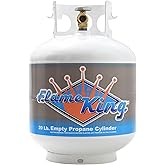
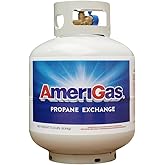
For a typical grill cylinder, the whole visit may feel routine, but each step matters because propane is stored as a liquid under pressure. The goal is to give you the cylinder’s permitted propane capacity while leaving the vapor space needed for normal liquid expansion as temperature changes.
This guide walks through what happens at a professional refill station from the moment you arrive until you secure the cylinder for the trip home. It focuses on common portable DOT cylinders used with grills, patio heaters, RVs, and similar appliances in the United States. Procedures can vary by cylinder type, equipment, state or local requirements, and the refill operator’s policies.
Propane Tank Refilling: The Process at a Glance
| Step | What the attendant does | Why it matters |
|---|---|---|
| 1. Receive the cylinder | Directs you to the outdoor dispensing area and keeps the cylinder upright. | Even an “empty” cylinder can contain propane vapor. |
| 2. Inspect the cylinder | Checks the body, base, collar, valve, markings, and visible condition. | Damaged or unserviceable cylinders should not be filled. |
| 3. Check qualification | Reviews the manufacture/requalification markings and applicable valve requirements. | DOT cylinders must remain within required qualification periods. |
| 4. Prepare the fill | Positions the cylinder and connects approved dispensing equipment. | Proper equipment and secure positioning reduce risk. |
| 5. Measure the fill | Uses an approved method such as weight or metered liquid volume. | Prevents overfilling and determines how much propane was added. |
| 6. Stop at the proper fill point | Ends transfer at the permitted filling limit. | Propane needs expansion space as temperature rises. |
| 7. Disconnect and check | Closes valves, disconnects the hose, and checks the cylinder before release. | Helps identify leakage or valve problems before transport. |
| 8. Return it for transport | Hands the cylinder back with the service valve closed. | You should secure it upright and take it out of the vehicle promptly. |
Step 1: You Take the Cylinder to the Outdoor Refill Area
Propane dispensing is normally performed outdoors in a designated area. Follow the retailer’s signs and employee instructions rather than carrying the cylinder through the store. Keep the cylinder upright and avoid smoking, open flames, or ignition sources around the dispensing area.
A cylinder that no longer runs your grill is not necessarily free of propane. There can still be vapor inside, so it should be handled as a fuel container from the time it leaves your appliance until it is back home.
If you are still looking for a station, PropaneHQ has a guide to finding a propane refill near you that is open and another on where to refill a 20-lb propane cylinder.
Step 2: The Attendant Inspects the Propane Cylinder
Before filling, the attendant should determine whether the cylinder is acceptable for continued service. This is not just a cosmetic check. U.S. Department of Transportation rules and guidance address cylinder condition and requalification, and a refill operator can refuse a cylinder that appears unsafe or is no longer properly qualified.


Common things an attendant may look for include significant corrosion or pitting, bulges, deep dents, gouges, fire or heat damage, damaged welds, a badly damaged foot ring or protective collar, and problems around the valve or pressure-relief device. The exact rejection criteria depend on the cylinder specification and applicable rules.
The attendant also looks for required markings. Those markings help identify the cylinder specification, manufacturer information, original manufacture date, and any later requalification markings.
For official cylinder-safety guidance, the U.S. Department of Transportation’s Pipeline and Hazardous Materials Safety Administration (PHMSA) publishes consumer information on propane cylinder safety and requalification.
Why a cylinder can be refused even if it still holds propane
A tank can still contain fuel and still be unsuitable for another refill. The refill decision is about whether the container remains safe and legally qualified for service, not whether it can physically hold propane.
If your cylinder is out of date, start with our guides on whether an expired propane cylinder can be refilled and who can requalify propane tanks.
Step 3: The Valve and Overfilling Protection Are Checked
Many consumer propane cylinders use an Overfilling Prevention Device, commonly called an OPD. On familiar grill cylinders, the OPD valve is usually associated with a triangular handwheel marked “OPD.” Its purpose is to provide an additional safeguard against overfilling during the filling process.
The OPD is a backup safety feature; it is not a reason to bypass normal filling procedures. Professional refillers still have to inspect the cylinder and use the correct filling method and equipment.
Some cylinder types or applications have different valve arrangements and requirements. For example, a forklift cylinder is not filled or handled exactly like a common upright barbecue cylinder. The refill operator should identify the cylinder before proceeding.
Step 4: A New Cylinder May Need Preparation Before Its First Fill
If the cylinder has never contained propane, the refiller may need to follow the manufacturer’s prescribed first-fill or purging procedure. A new cylinder can contain air or other gas from manufacturing and storage, and that can interfere with correct propane service.
This is professional work. Customers should not improvise by venting propane or transferring fuel between ordinary cylinders. Some new cylinders are prepared by the manufacturer, while others may require service at the filling location, so the correct answer depends on the specific cylinder and its instructions.
U-Haul, for example, notes in its current propane FAQ that cylinder purging may be available at participating propane locations.
Step 5: The Cylinder Is Positioned and Connected to the Dispenser
Once the cylinder passes inspection, the attendant places it in the proper filling position and connects the dispensing hose. Propane is transferred as a liquid from the station’s storage system into the portable cylinder through equipment designed for LP-Gas service.
At this stage, customers should stay where the attendant directs them. Do not touch the dispenser, hose, valves, bleeder, or filling connection unless you are the qualified operator. The details of professional filling are intentionally controlled because liquid propane expands rapidly when released and vaporizes readily.
Step 6: The Refill Is Measured by Weight or Volume
A refill station must know when the cylinder has reached its permitted propane quantity. Depending on the equipment, cylinder, and procedure, the fill may be controlled by weight, by metered liquid volume, or with other approved safeguards used by the operator.
Filling by weight
Portable cylinders have a tare weight marking, often shown as TW. Tare weight is the approximate weight of the empty cylinder itself. For a cylinder rated to contain 20 lb of propane, a weight-based fill can use the cylinder’s tare weight plus the permitted propane weight, with the station’s equipment and procedure controlling the actual fill.
For example, a cylinder stamped TW 17.0 that is filled with 20 lb of propane would weigh roughly 37 lb when full, subject to the accuracy of the marked tare weight and actual conditions. That simple example is useful for understanding the markings, but it is not a substitute for professional filling procedures.
For more detail, see our article on filling a propane cylinder by weight.
Filling by metered liquid volume
Some retail dispensers use a meter to show how many gallons of liquid propane were delivered. This is one reason refill pricing is often quoted per gallon. A partly full cylinder may take only the amount needed to reach its proper fill point.
That differs from a flat-rate program that charges one set amount regardless of how much fuel goes in. If pricing matters to you, compare our explanation of flat-rate propane refills.
Step 7: The Attendant Stops at the Proper Fill Limit
A propane cylinder is not supposed to be packed completely full of liquid propane. Space must remain for the liquid to expand as its temperature rises. This is the reason consumers often hear about the “80% fill rule.”
The point that causes confusion is what “80%” means. It does not mean a cylinder sold as a 20-lb propane cylinder should normally receive only 16 lb of propane. A standard 20-lb DOT cylinder’s rated propane capacity already accounts for the required expansion space. When properly filled to its rated propane capacity, it contains about 20 lb of propane, or roughly 4.7 gallons under typical reference conditions.
The cylinder’s water capacity, propane density, temperature, filling method, and applicable filling rules all matter. That is why the attendant follows the approved filling procedure rather than simply filling until no more liquid will enter.
Step 8: The Transfer Stops and the Valves Are Closed
When the proper fill point is reached, the attendant stops the transfer, closes the appropriate valves, and disconnects the filling equipment. A small momentary release at a connection can sometimes produce a brief propane odor because propane is intentionally odorized so leaks are easier to notice.
A persistent odor, continued hissing, visible damage, or suspected leakage is different. Do not put a leaking cylinder in your vehicle or attempt to “fix” the valve yourself. Tell the attendant immediately and keep ignition sources away.
Step 9: The Cylinder Gets a Final Check
Before the cylinder leaves the dispensing area, the refiller may perform a final visual or leak check according to the facility’s procedure. This is the last opportunity to catch a valve or connection problem before the cylinder is transported.
Retail procedures vary. For example, U-Haul says its propane professionals inspect cylinders before and after refill. A responsible operator may also verify that the service valve is closed and that protective components are intact.
Step 10: You Pay for the Refill
How you are charged depends on the retailer. Common approaches include a price per gallon, a price based on the amount dispensed, or a flat refill charge. The receipt may show gallons rather than pounds even though your cylinder is described by its propane weight capacity.
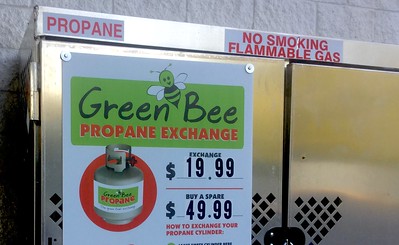
Refilling and cylinder exchange are different transactions. With a refill, you normally keep your own cylinder and buy propane for it. With an exchange, you turn in an eligible cylinder and receive a different filled cylinder from the exchange inventory.
If you are deciding between the two, see our comparison of propane refill versus tank exchange.
Step 11: You Secure the Cylinder for the Ride Home
Transportation is part of the refill process people often overlook. Once the cylinder is back in your vehicle, keep it upright, prevent it from rolling or tipping, protect the valve from damage, provide ventilation, and remove the cylinder from the vehicle promptly when you reach your destination.
Never leave a filled cylinder in a hot enclosed vehicle longer than necessary. Follow applicable transportation limits and local requirements, especially if you are carrying multiple cylinders or larger containers.
The Propane Education & Research Council provides consumer propane safety guidance, including safe cylinder handling and transport information.
Can You Refill a Propane Tank That Is Not Completely Empty?
Yes, a refillable propane cylinder generally does not have to be completely empty before a normal professional refill. A qualified refiller can determine the amount already in the cylinder and add propane only up to the permitted fill limit. The method used depends on the filling equipment and cylinder.
That can make refilling convenient before a long cookout, camping trip, or RV journey—you do not need to deliberately run the cylinder dry first. Read our full explanation of whether a propane tank must be empty before refilling.
How Long Does a Propane Tank Refill Take?
The actual transfer for a common portable cylinder is often only one part of the visit. Inspection, waiting for an available trained employee, payment, and any issue with the cylinder can add time. There is no universal refill time that applies to every station, so plan for more than just the few minutes the hose may be connected.
If the cylinder needs requalification, repair, special handling, or first-fill preparation, the station may not be able to complete the job as a normal walk-up refill.
Why a Refill Station Might Refuse Your Cylinder
A professional refiller may decline to fill a cylinder when its condition, markings, qualification status, valve, or application raises a safety or compliance problem. That can be inconvenient, but filling a questionable pressure vessel is not worth the risk.
Possible reasons include severe corrosion, fire damage, a significant dent or gouge, a damaged valve, unreadable or missing required markings, an expired qualification, or a cylinder configuration the location is not equipped or authorized to service.
If you are unsure whether your cylinder is even designed to be refilled, see which propane tanks can be refilled.
Refill vs. Exchange: What Changes in the Process?
| Refill | Exchange |
|---|---|
| You normally keep your own cylinder. | You turn in an eligible cylinder and receive another cylinder. |
| The cylinder must pass the refill station’s inspection. | The exchange company handles inspection, filling, and reconditioning within its system. |
| You may pay for the amount dispensed or a flat refill price. | You usually pay the posted exchange price. |
| A partially full cylinder can generally be topped up by a qualified refiller. | Any propane remaining in the cylinder you surrender is normally part of the exchange transaction. |
| Useful if you own a newer or higher-quality cylinder you want to keep. | Convenient when a refill attendant is unavailable or you want a quick swap. |
For a detailed explanation of the alternative process, read how propane tank exchange works.
What You Should Do Before Going to a Refill Station
- Close the cylinder service valve and disconnect it from the appliance.
- Keep the cylinder upright and secure it against movement.
- Look for obvious corrosion, dents, heat damage, or valve damage.
- Check the manufacture/requalification markings if you know where to find them.
- Call ahead if the cylinder is unusual, very large, brand-new, or may require requalification.
- Confirm the station has a trained propane employee available; not every location provides filling during every business hour.
Do not attempt to make a rejected cylinder “look acceptable” by hiding corrosion, altering markings, or repairing a pressure-containing part yourself. Let a qualified propane professional determine the appropriate next step.
Frequently Asked Questions
Do propane tanks have to be empty before refilling?
No. A refillable cylinder can generally be refilled while it still contains propane, provided it passes inspection and the refiller uses the proper method to stop at the permitted fill level.
How much propane goes into a 20-lb cylinder?
A properly filled 20-lb propane cylinder is designed to contain about 20 lb of propane, commonly described as roughly 4.7 gallons under typical reference conditions. Exact delivered volume can vary with temperature and the amount already in the cylinder.
Why isn’t a propane tank filled 100% with liquid?
Liquid propane expands as temperature rises. The container therefore needs vapor/expansion space. Filling procedures and cylinder ratings account for that requirement so the cylinder is not filled solid with liquid.
Can a rusty propane tank still be refilled?
Light surface discoloration is not the same as serious corrosion, but significant rust, pitting, or metal loss can make a cylinder unacceptable. The refill operator should inspect the cylinder and decide whether it is fit for service.
What happens if my propane cylinder is expired?
If a DOT cylinder is outside its required qualification period, the refiller should not simply refill it. Depending on the cylinder’s condition and type, it may be eligible for requalification by an authorized facility or may be better replaced.
Does a new propane tank need to be purged?
Some new cylinders require manufacturer-specified first-fill preparation or purging, while others may arrive prepared for service. Ask the seller or qualified refiller and follow the cylinder manufacturer’s instructions rather than attempting to purge it yourself.
Why can I smell propane briefly after a refill?
A brief odor can occur around filling connections because propane is odorized. A persistent strong odor, continued hissing, or suspected leak is not something to ignore. Alert the attendant immediately and do not place a leaking cylinder in a vehicle.
Bottom Line
When you get a propane tank refilled, the important work happens before, during, and after the fuel transfer: the cylinder is inspected, its qualification and valve condition are checked, propane is measured into it using an approved method, the fill stops at the proper limit, and the cylinder is checked again before you transport it home.
For the customer, the safest role is simple: bring a serviceable cylinder, follow the attendant’s directions, keep clear of the dispensing equipment, and transport the refilled cylinder upright and secured. The actual filling should be left to trained personnel using approved equipment.

Mike is an experienced propane technician with over 15 years of professional experience in the field. He has dedicated his career to helping customers with their propane needs, from installation to maintenance and repair. Together with Jeremy, he co-founded this website to provide useful information and guidance to customers seeking reliable propane services.