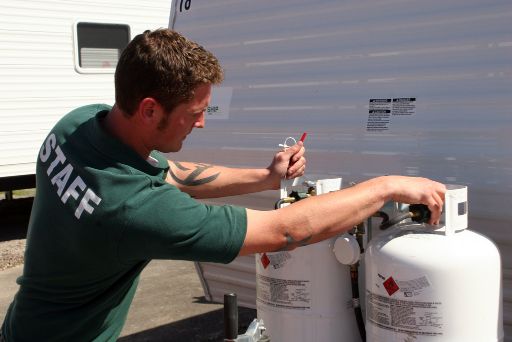
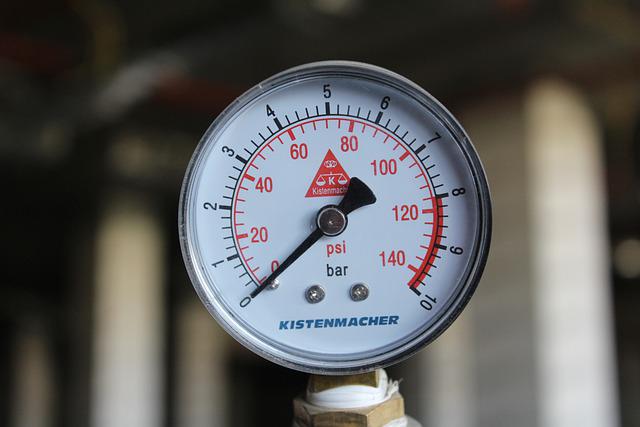
There are a few potential causes why your propane tank may be humming. If you hear a humming noise coming from your propane tank, it’s important to investigate the cause so you can take steps to fix the problem. One potential cause of a humming noise from your propane tank is that the valve is not fully open. If the valve is only partially open, it can cause the propane to vibrate and produce a humming noise.
A humming noise coming from a propane tank can be concerning and may be a sign of an underlying issue. Here are some additional details about the potential causes of a humming propane tank:
- Overfilled tank: Propane tanks are designed to be filled to a certain level to allow for expansion of the propane as it warms up. Overfilling a tank can cause the propane to expand and create a humming noise as it is forced through the regulator. Overfilled tanks can also be a safety hazard, as they can leak propane, which is highly flammable and can cause fires or explosions.
- Faulty regulator: Regulators are designed to control the flow of propane from the tank to the appliance. If the regulator is damaged or malfunctioning, it can cause a humming noise as the propane flows through it. In some cases, a faulty regulator can also cause uneven gas flow or even a complete blockage of the gas supply, which can prevent appliances from functioning correctly.
- Debris in the regulator: Over time, dirt, rust, and other debris can build up in the regulator, causing a blockage that obstructs the flow of propane. This can cause a humming noise, and it can also lead to other issues such as reduced gas pressure, poor appliance performance, or even a propane leak.
- Loose fittings: Propane tanks are connected to appliances using fittings that seal the gas supply. If these fittings are loose or damaged, they can cause a humming noise as propane leaks from the connections. Loose fittings can also be a safety hazard, as they can cause propane leaks and potentially lead to fires or explosions.
- Propane tank temperature: Propane tanks are designed to operate within a certain temperature range. Changes in temperature can cause the propane tank to expand or contract, which can result in a humming noise. In some cases, extreme temperature changes can also cause propane tanks to rupture or leak.
It’s important to address a humming propane tank promptly to ensure safety and prevent further damage or issues. If you notice a humming noise coming from your propane tank, it’s best to turn off the gas supply to the appliance and contact a licensed propane technician to diagnose and fix the problem.


Need Propane Tank Inspection & Maintenance?
Keep your propane system safe and working at its best. We’ll connect you with trusted local experts who can inspect and maintain your tank—making sure it runs efficiently, safely, and at a fair price.
✉️ Contact Us for Inspection & MaintenanceGet peace of mind knowing your propane tank is in good hands with reliable service at the right price.
Do Propane Regulators Make Noise
Propane regulators can make noise. The noises emitted by propane regulators can vary, and some sounds may indicate normal operation while others could signal a problem. Here are common types of noises you might hear from a propane regulator and their potential causes:
- Hissing or Whistling: A hissing or whistling sound is usually the most common noise and often indicates gas flowing through the regulator. A gentle hissing noise can be normal during operation, especially if appliances are being used. However, a louder hissing or whistling might suggest a gas leak, which requires immediate attention.
- Humming or Buzzing: A humming or buzzing sound can occur when the regulator diaphragm vibrates as gas flows through. This can happen under certain conditions and might not indicate a problem, but persistent or loud humming could suggest an issue with the regulator’s internal components or pressure settings.
- Chattering or Clicking: Chattering or clicking noises may happen if there’s an issue with the regulator’s valve mechanism, often related to pressure discrepancies or a malfunctioning regulator. This sound might require checking the regulator and the system’s pressure settings.
- Popping: A popping sound when the regulator starts to operate can occur, which might be due to the sudden release of gas when the valve opens. This can be normal, but if the popping is frequent or accompanied by other issues, it may need to be investigated.
It’s important to distinguish between normal operational sounds and noises that indicate a problem. Regular maintenance and inspection of your propane system, including the regulator, can help ensure safe and efficient operation. If you’re unsure about a noise or if you suspect a gas leak or a malfunction, it’s crucial to turn off the gas supply and contact a professional technician for inspection and repair. Gas leaks can be dangerous and should be addressed immediately to prevent potential hazards.


How Do You Stop Propane Tank from Making This Noise?
There are a few things you can try to stop your propane tank from humming:
- Check the regulator: Make sure that the regulator is properly installed and tightened. A loose regulator can cause a humming noise.
- Check the gas line: Make sure that the gas line is properly connected to the propane tank and that there are no leaks. A leak in the gas line can cause a humming noise.
- Check the appliance: Make sure that the appliance that is connected to the propane tank is in good working condition and is properly adjusted.
- Insulate the gas line: Wrapping the gas line with insulation can help to reduce the humming noise.
- Move the tank: If the tank is located near a wall or other surface that may be vibrating, try moving the tank to a different location to see if that helps to reduce the humming noise.
- Replace the tank: If none of these solutions work, it may be necessary to replace the propane tank. A damaged or old tank can sometimes cause humming noises.
Should I Be Concerned About My Propane Tank Humming?
If you’re wondering whether or not you should be concerned about your propane tank humming, the answer is yes! This is definitely something you should be concerned about and take action on. Humming noises coming from your propane tank are a sign that there is a problem with the pressure inside the tank.
This could be caused by a variety of things, such as a leak in the tank, an issue with the regulator, or even just overfilling the tank. If you hear a humming noise coming from your propane tank, the first thing you should do is check for any leaks. If there are no leaks, then you’ll need to call a professional to come and take a look at your tank. It’s always better to be safe than sorry when it comes to propane tanks!
Does Propane Tanks that are Humming Dangerous?
As with any type of fuel, there are always risks associated with propane. However, as long as you take the proper precautions, these risks can be minimized. One common concern is whether or not propane tanks that are humming are dangerous. The answer to this question is both yes and no. If the humming noise is coming from the valve of the tank, then it is perfectly safe and is simply a result of the pressure inside the tank.
However, if the humming noise is coming from anywhere else in the tank, then it could be indicative of a leak. If you believe there may be a leak in your propane tank, it is important to take action immediately. First, turn off the gas supply to the tank. Then, call a qualified technician to come and inspect the tank. Do not attempt to repair the leak yourself, as this could be extremely dangerous.

Should I Ignore It if I Hear Propane Tank Humming?
If you hear your propane tank humming, it’s best not to ignore it. While the humming noise itself isn’t causing alarm, it could be a sign that your tank is not receiving enough ventilation. If your propane tank is not properly ventilated, it could lead to a build-up of pressure inside the tank, which could eventually cause the tank to explode.
If you hear your propane tank humming, you should immediately check to see if the tank is properly ventilated. If you find that the tank is not properly ventilated, you should contact a licensed propane technician to help resolve the issue. Ignoring a propane tank that is not receiving proper ventilation can be extremely dangerous and should never be done.
Should I Replace Your Tank If it Produces This Sound?
If your propane tank produces a humming sound, it may be time to replace it. This sound is usually caused by a build-up of sediment in the bottom of the tank. Sediment can cause the tank to overheat and pressure to build up, which can lead to the tank exploding. If you have a propane tank that is more than 10 years old, it is probably time to replace it anyway.
Even if your tank is newer, if it is starting to show signs of wear and tear, it is probably best to replace it. Propane tanks are not designed to last forever and eventually, they will need to be replaced. If you are not sure whether or not you should replace your propane tank, you can always call a professional for advice. They will be able to inspect your tank and let you know if it needs to be replaced or not.


How Can You Prevent Propane Tank to Make a Humming Noise?
There are a few things you should avoid doing to your propane tank in order to prevent it from making a humming sound again:
- Don’t overfill the tank. Overfilling the tank can cause the pressure inside to become too high, which can lead to the tank making a humming sound.
- Avoid using too much pressure when you are filling the tank. Using too much pressure can also cause the tank to start humming.
- Don’t let the tank run dry. Allowing the propane tank to run dry can also cause the pressure inside to become too high, leading to the same problem.
- Don’t expose the tank to extreme heat or cold. Extreme temperatures can cause the pressure inside the tank to fluctuate, which can also lead to a humming sound.
- Ensure that the valve on your propane tank is always fully closed when not in use.
- Replace any damaged or worn parts on the appliance or gas system. This can help prevent a humming sound from occurring.
- Make sure the tank is properly secured and positioned upright. If the tank is not level or is not secured properly, it can cause a humming sound.
- Be sure to keep your propane tank away from any sources of ignition, such as pilot lights, open flames, or electrical appliances.
- Have your propane tank regularly serviced and inspected by a qualified technician to ensure that it is in good working condition.
By following these simple tips, you can help ensure that your propane tank will never cause a humming sound again.
Propane Regulator Vibrating Can Cause Noise, To Fix:
A vibrating propane regulator can indicate several issues, ranging from simple fixes to more complex problems requiring professional attention. Here are common reasons and solutions for a vibrating propane regulator:
- Loose Connections: The vibration might be due to loose connections between the regulator and the propane tank or gas lines. Check all connections for tightness and ensure they’re securely fastened.
- Obstruction in the Regulator: Dirt, debris, or insects can sometimes get into the regulator, causing it to vibrate. Turn off the gas, disconnect the regulator, and inspect it for any blockages. If it’s dirty, cleaning it might solve the problem.
- Diaphragm Issues: Inside the regulator is a diaphragm that helps regulate gas flow. If this diaphragm is damaged or malfunctioning, it could cause vibrations. Unfortunately, if the diaphragm is the issue, the regulator will likely need to be replaced.
- High Pressure: Excessively high pressure from the propane tank can lead to regulator vibration. This could be due to a malfunctioning tank valve or an issue with the pressure settings. Adjusting the pressure or replacing faulty components may be necessary.
- Faulty Regulator: Sometimes, the regulator itself may be defective or worn out. If other troubleshooting steps don’t solve the problem, replacing the regulator is the next step.
- Harmonic Vibration: The gas flowing through the lines can sometimes cause a harmonic vibration if the piping or the regulator itself is not securely mounted. Ensuring everything is firmly fixed and adding supports where necessary can mitigate this.
If you’re not comfortable performing these checks or repairs yourself, or if the problem persists despite your troubleshooting efforts, it’s best to consult a professional. A certified technician can safely assess and fix the issue, ensuring your propane system operates safely and efficiently.
Consult a Technician
It’s important to consult a licensed propane technician if you notice a humming noise coming from your propane tank. A licensed technician can diagnose the issue and recommend the best solution to ensure safety and proper functioning of your propane system.
Here are some reasons why it’s important to consult a technician:
- Safety: Propane is highly flammable, and any issue with your propane tank or system can be a safety hazard. A licensed technician has the knowledge and expertise to safely diagnose and repair any issues with your propane tank and ensure that your system is operating safely.
- Proper diagnosis: A humming noise coming from your propane tank can have a variety of causes, and a licensed technician can properly diagnose the issue. Misdiagnosing the problem can lead to further damage to your propane system or potentially hazardous situations.
- Proper repair: Once the issue has been diagnosed, a licensed technician can recommend and perform the proper repair. Improperly repairing a propane tank or system can result in leaks or other safety hazards.
- Legal requirements: In some areas, it may be required by law to use a licensed technician for propane tank or system repairs. It’s important to follow these requirements to ensure compliance with regulations and to ensure that your propane system is operating safely.
If you notice a humming noise coming from your propane tank, it’s important to turn off the gas supply to the appliance and contact a licensed propane technician to diagnose and repair the issue. This will ensure safety and proper functioning of your propane system.

Jeremy is a highly experienced professional propane technician with over 21 years of experience in the industry. Throughout his career, he has gained extensive knowledge and expertise in propane gas installation, maintenance, and repair, as well as in ensuring safety and compliance with industry standards. Mike has worked with various residential, commercial, and industrial clients, providing top-notch services and solutions to meet their propane needs. He is dedicated to his craft and passionate about delivering exceptional service to his clients.